Business Communities of Armenia, Georgia, Moldova and Ukraine Sign Joint Biodiversity Position Paper at COP17
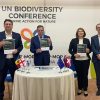
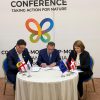
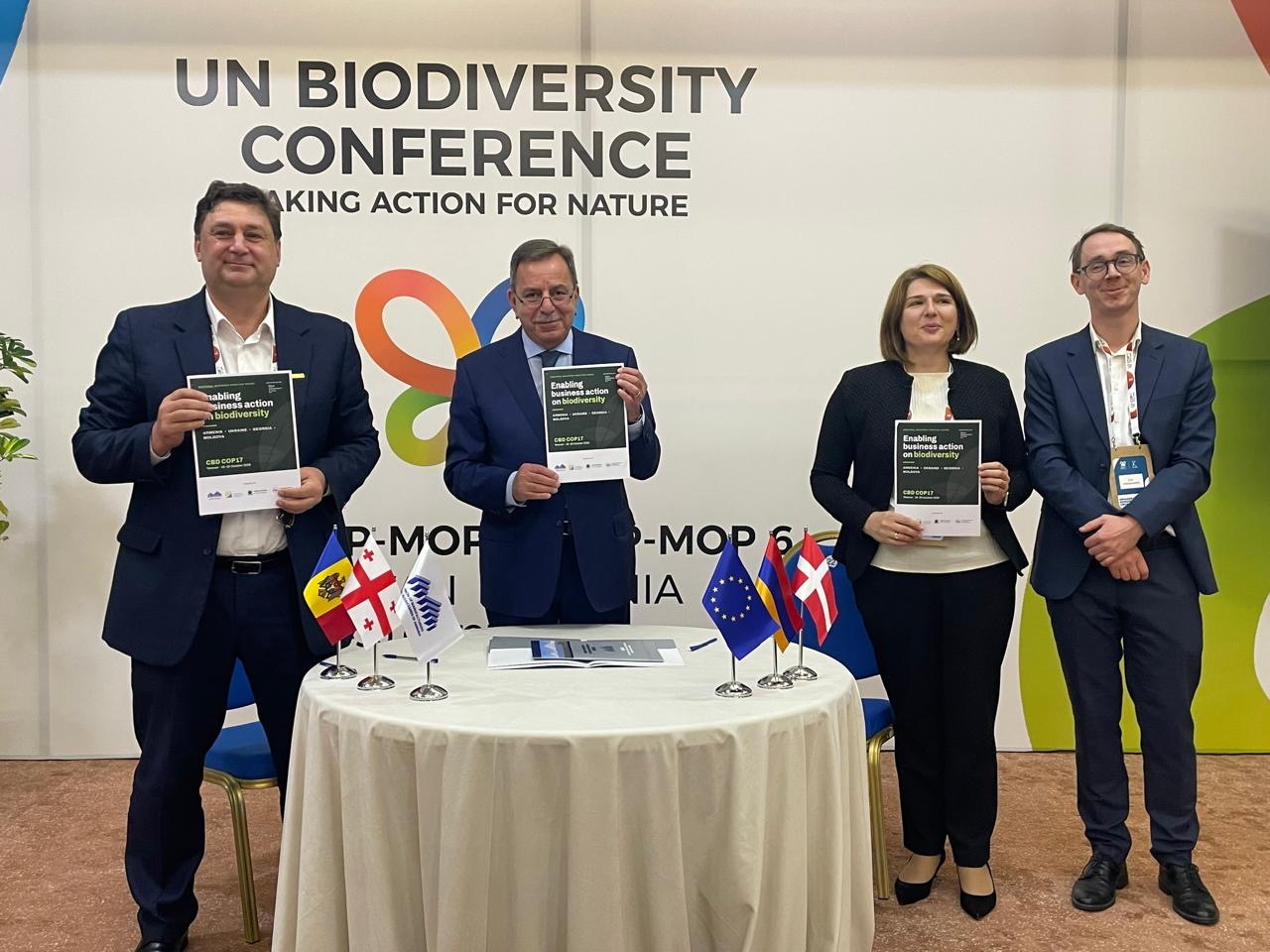
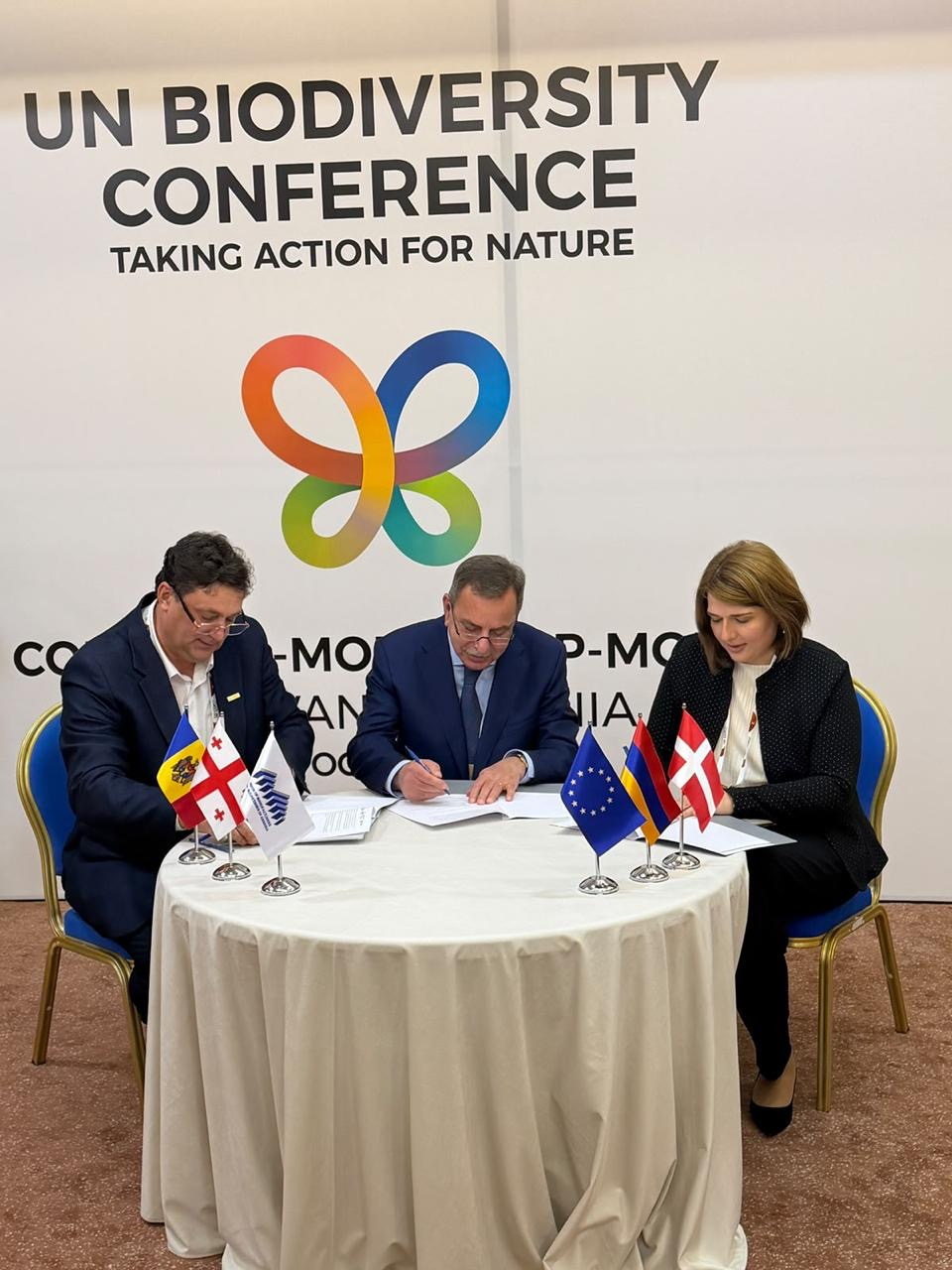
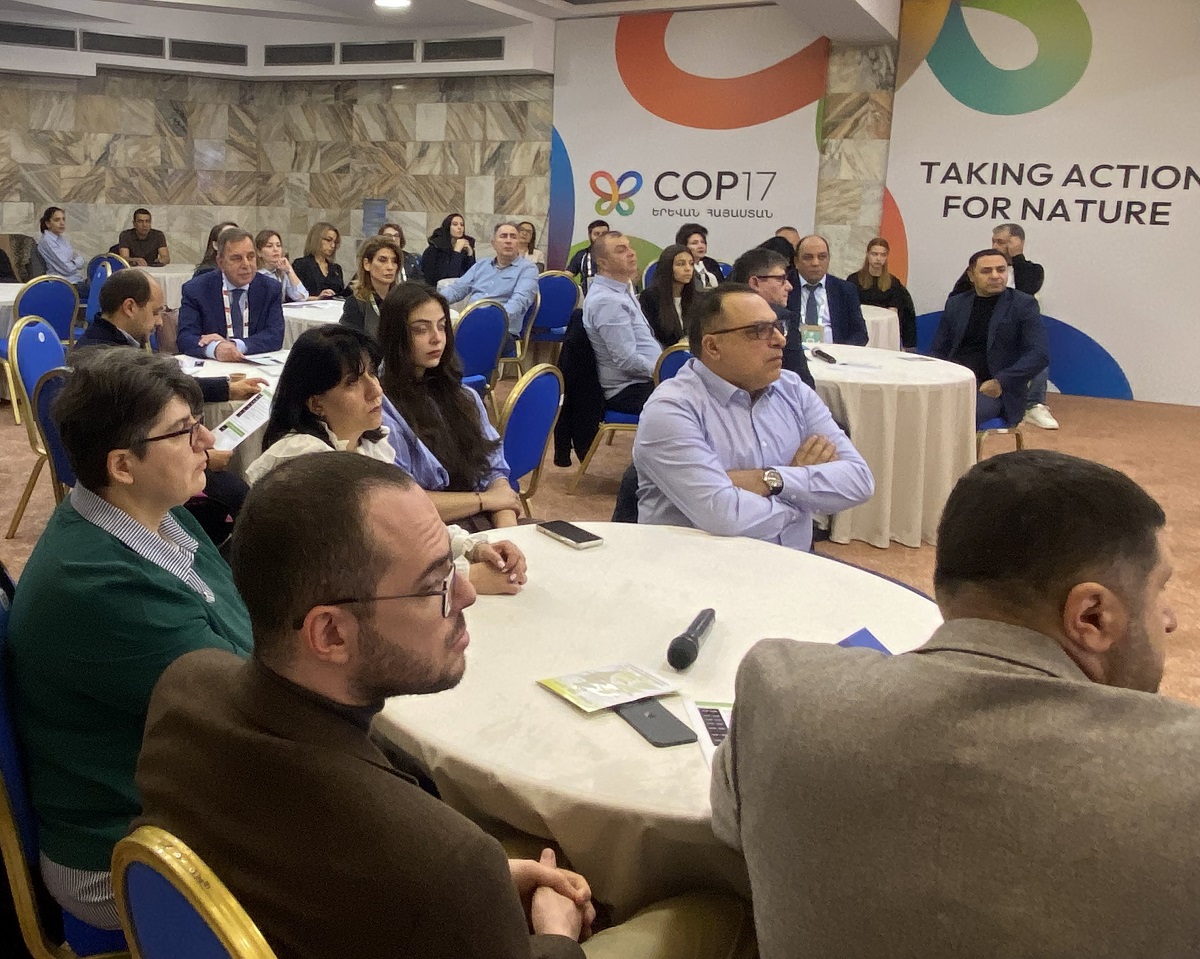
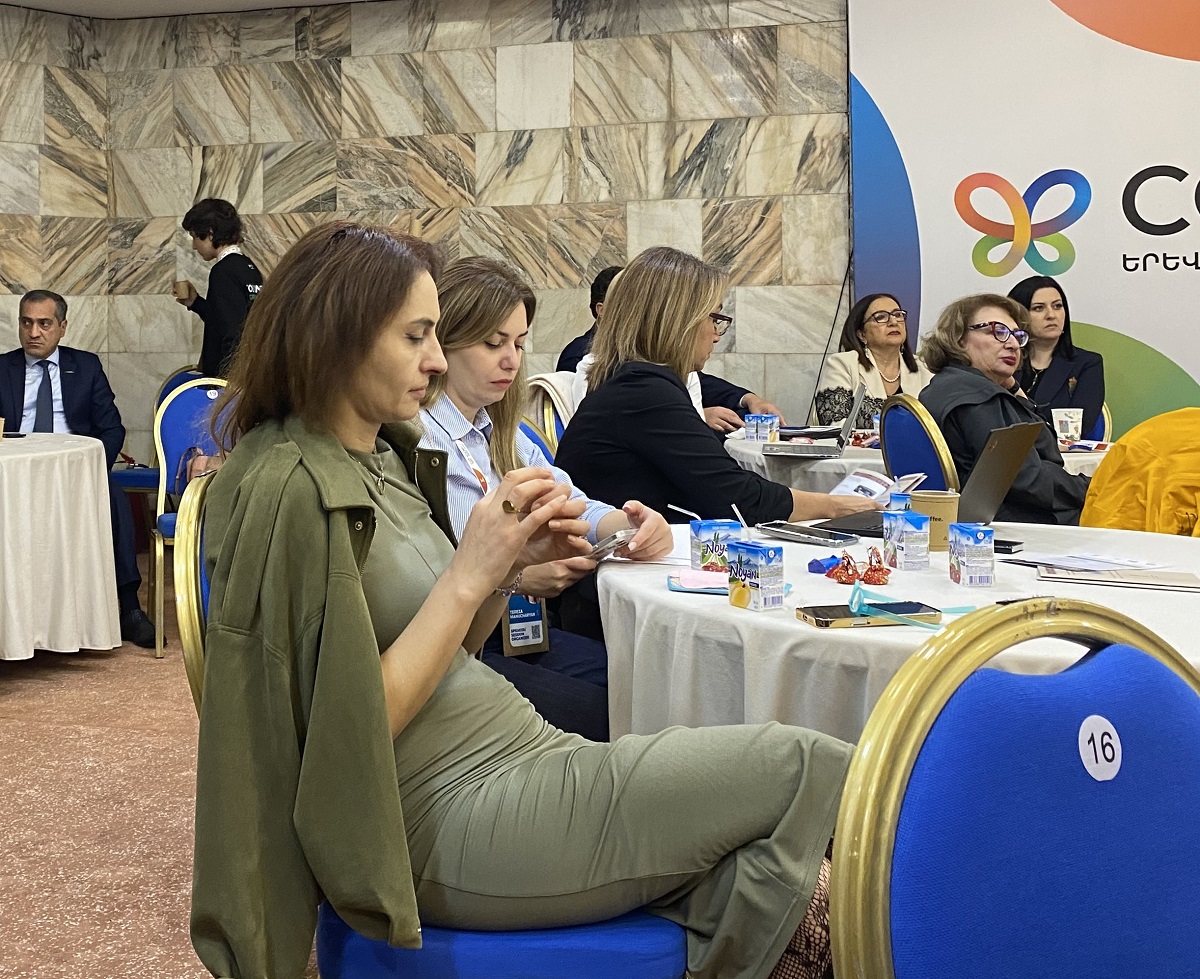
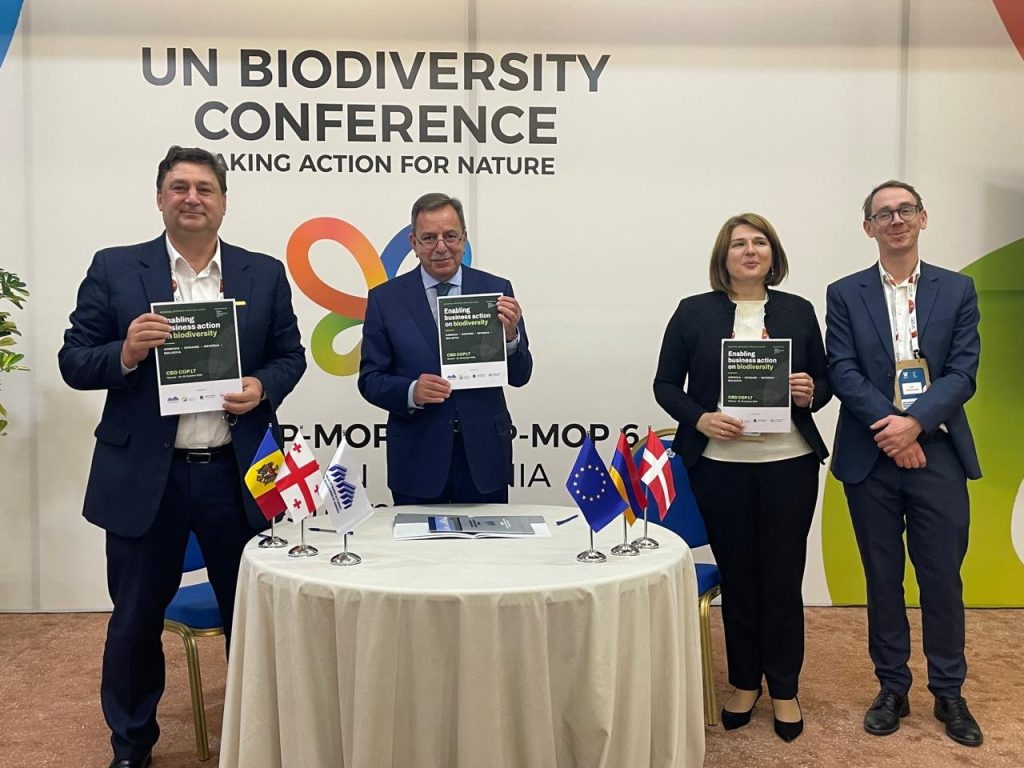
On October 25, the conference “Business for Nature: Regional Cooperation for the Green Transition and Biodiversity” took place in the COP17 “Green Zone” at the Karen Demirchyan Sports and Concerts Complex in Yerevan, organized on the initiative of the Union of Manufacturers and Businessmen of Armenia. It concluded with the signing of a regional position paper by the business communities of Armenia, Georgia, Moldova and Ukraine.
The document was endorsed by the Union of Manufacturers and Businessmen of Armenia (UMBA), the Federation of Employers of Ukraine (FEU), the UN Global Compact Network Georgia (UNGCNG) and the National Confederation of Employers of the Republic of Moldova (CNPM). It aims to strengthen the private sector’s role in biodiversity conservation and to promote cooperation between the business community and the state.
The paper is addressed to the national governments and delegations attending the COP17 in Yerevan, as well as to the relevant ministries and agencies of Armenia, Georgia, Moldova and Ukraine. It sets out the shared position of the four countries’ business communities on expanding private-sector participation in implementing the Kunming-Montreal Global Biodiversity Framework.
The Kunming-Montreal Global Biodiversity Framework, adopted in 2022, aims to halt and reverse biodiversity loss by 2030 through 23 action-oriented targets. The paper places particular emphasis on Target 15, under which businesses are expected to assess, disclose and reduce their biodiversity-related risks and negative impacts. According to the paper’s assessment, this target is still not consistently reflected in national targets and implementation measures, which limits companies’ ability to contribute effectively to meeting global commitments.
Through the regional position paper, the business communities of the four countries express their readiness to raise companies’ awareness of how their activities affect biodiversity, how they depend on nature, and what risks and opportunities this creates. They also plan to support the integration of biodiversity considerations into business decision-making and long-term strategies, and to encourage company participation in financing and investment initiatives for biodiversity conservation.
The paper stresses that achieving these goals also requires government support. In particular, it proposes that governments strengthen biodiversity data collection and monitoring systems, develop regional cooperation, and create mechanisms for knowledge exchange and technical assistance.
The business communities call for a clear and predictable regulatory environment, for business to be involved in drafting legislation and national strategies, and for biodiversity-focused investment financing to be made accessible. Further proposals include developing grants, co-financing, guarantees and concessional green lending, accelerating national biodiversity financing programs, and identifying priority areas for private investment.
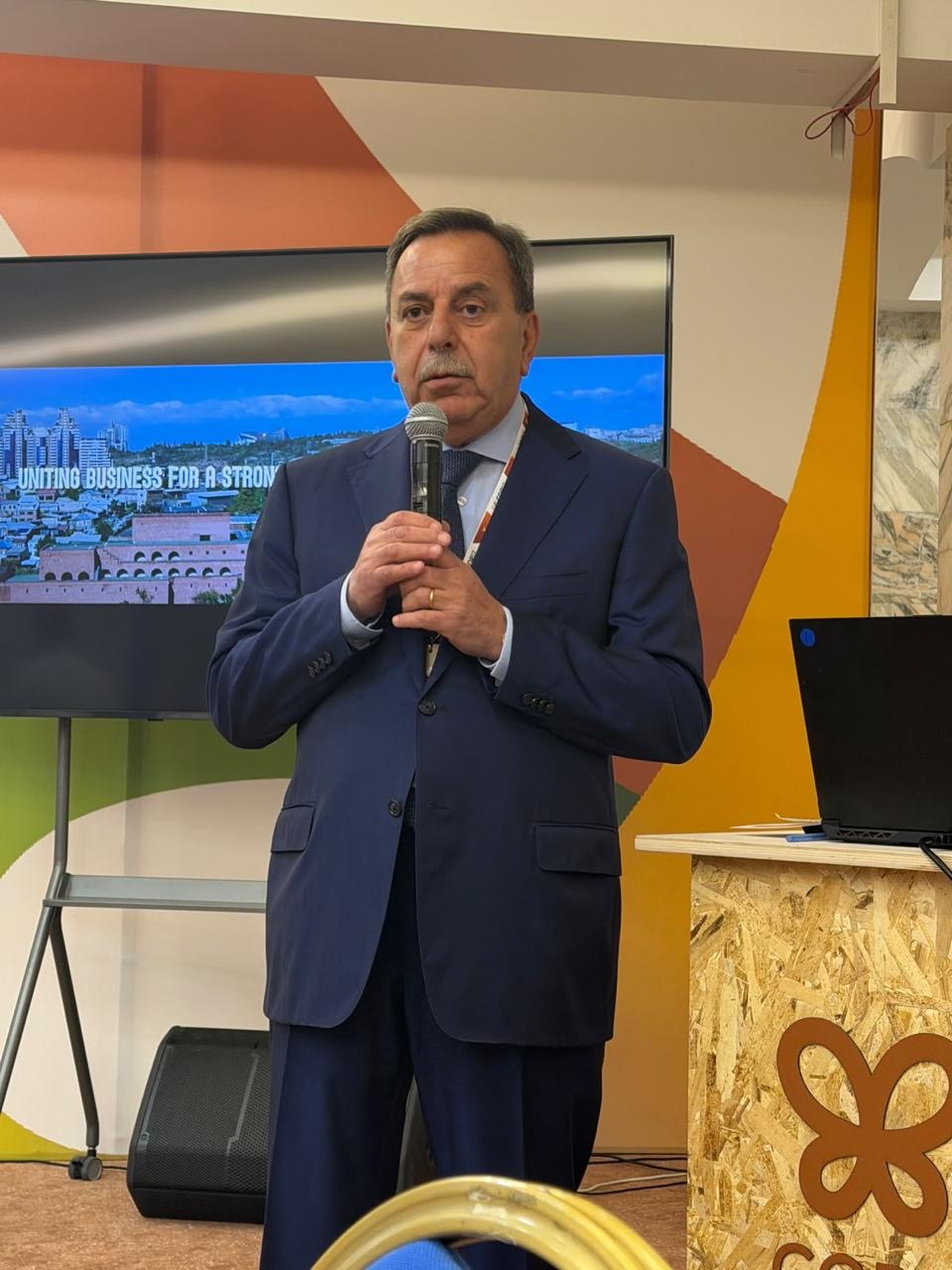
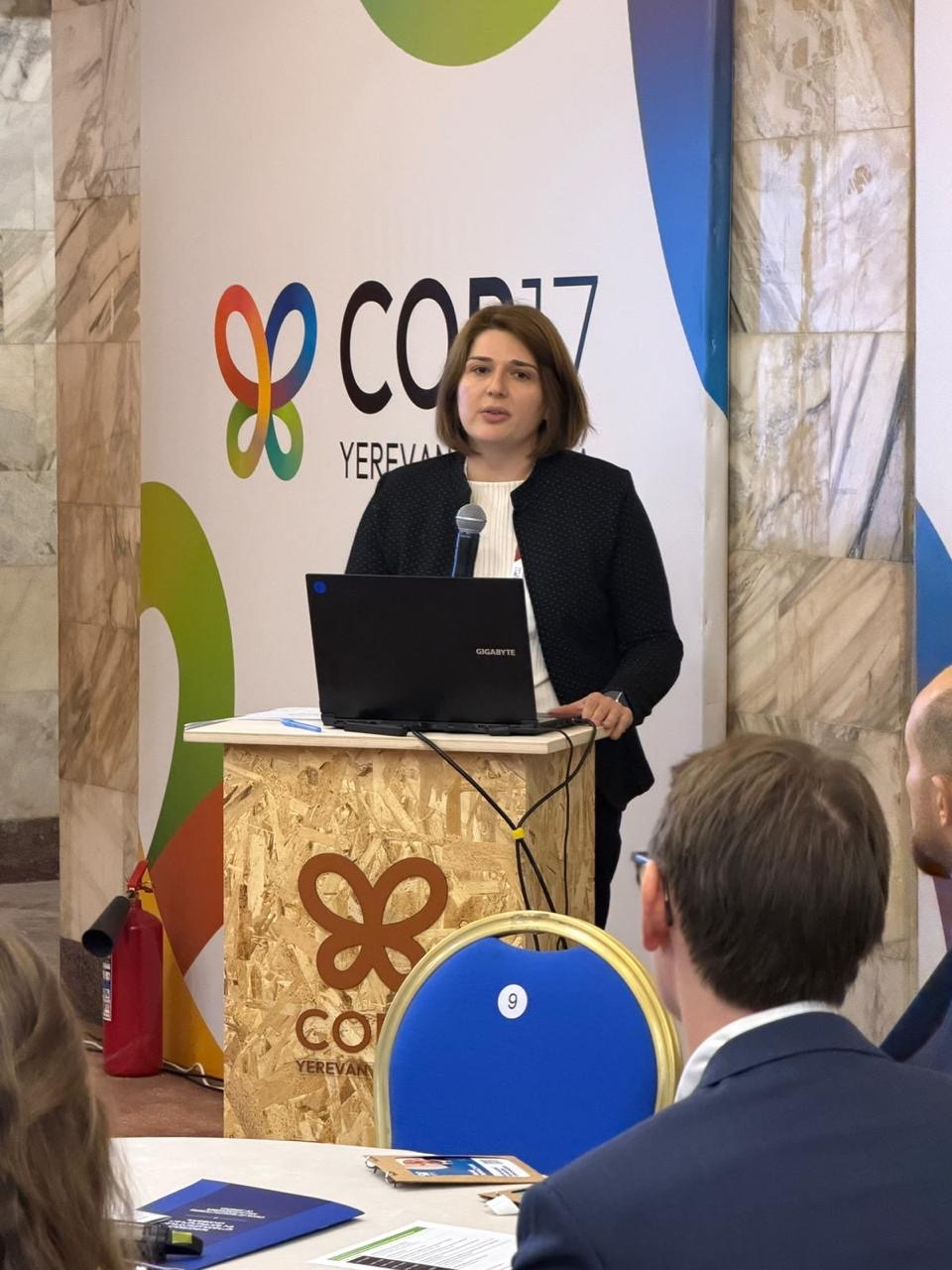
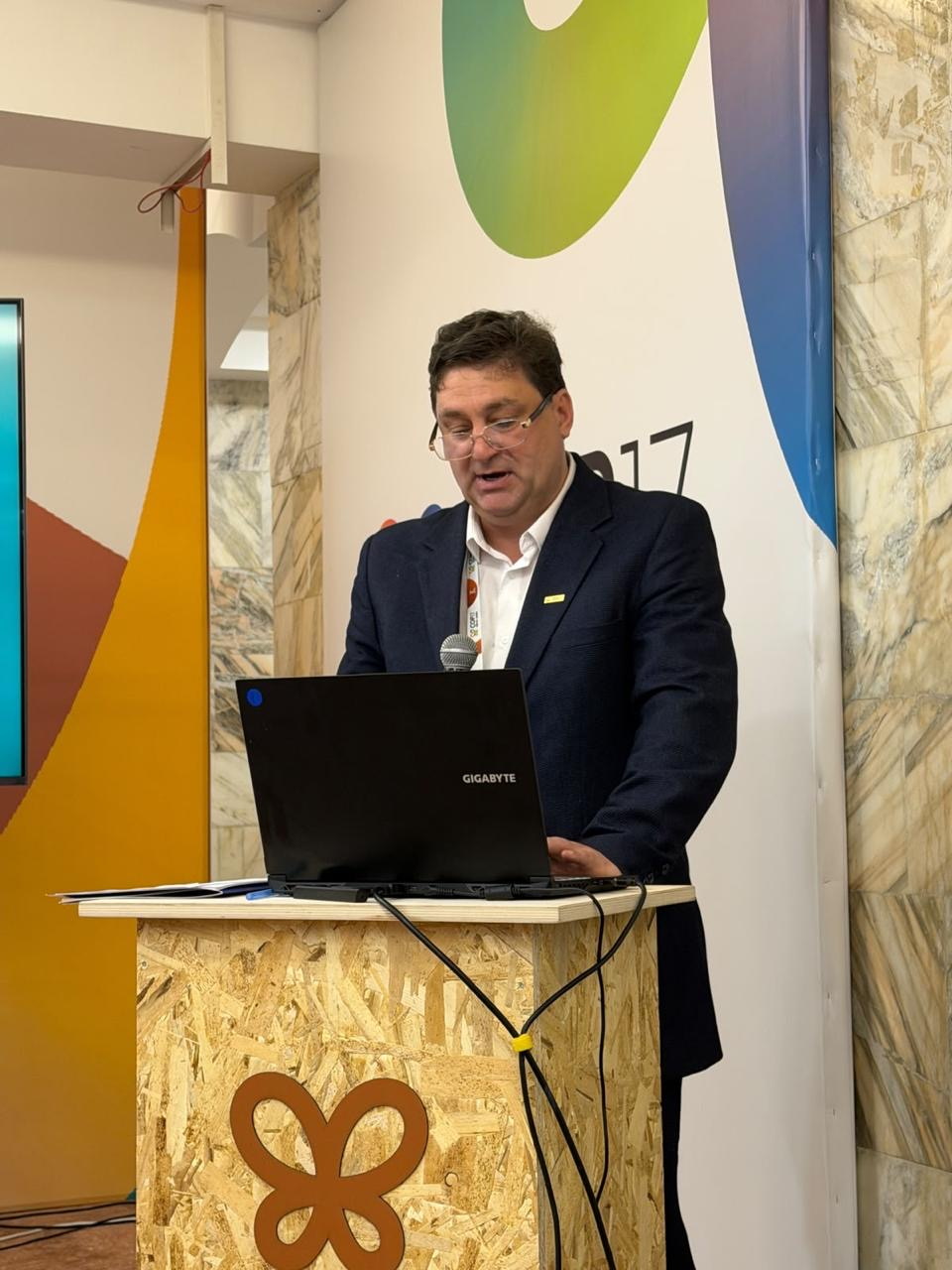
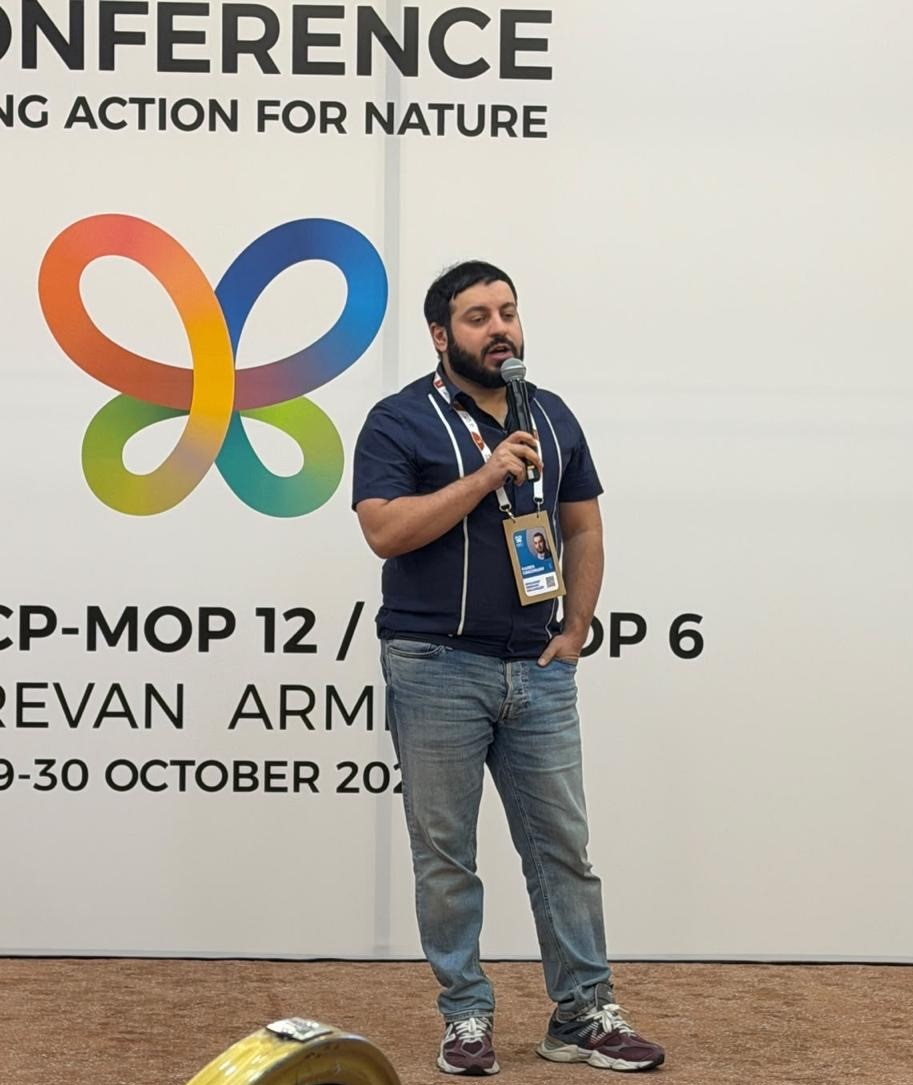
Before the document was signed, representatives of the signatory organizations presented their activities, goals and biodiversity programs to the conference participants.
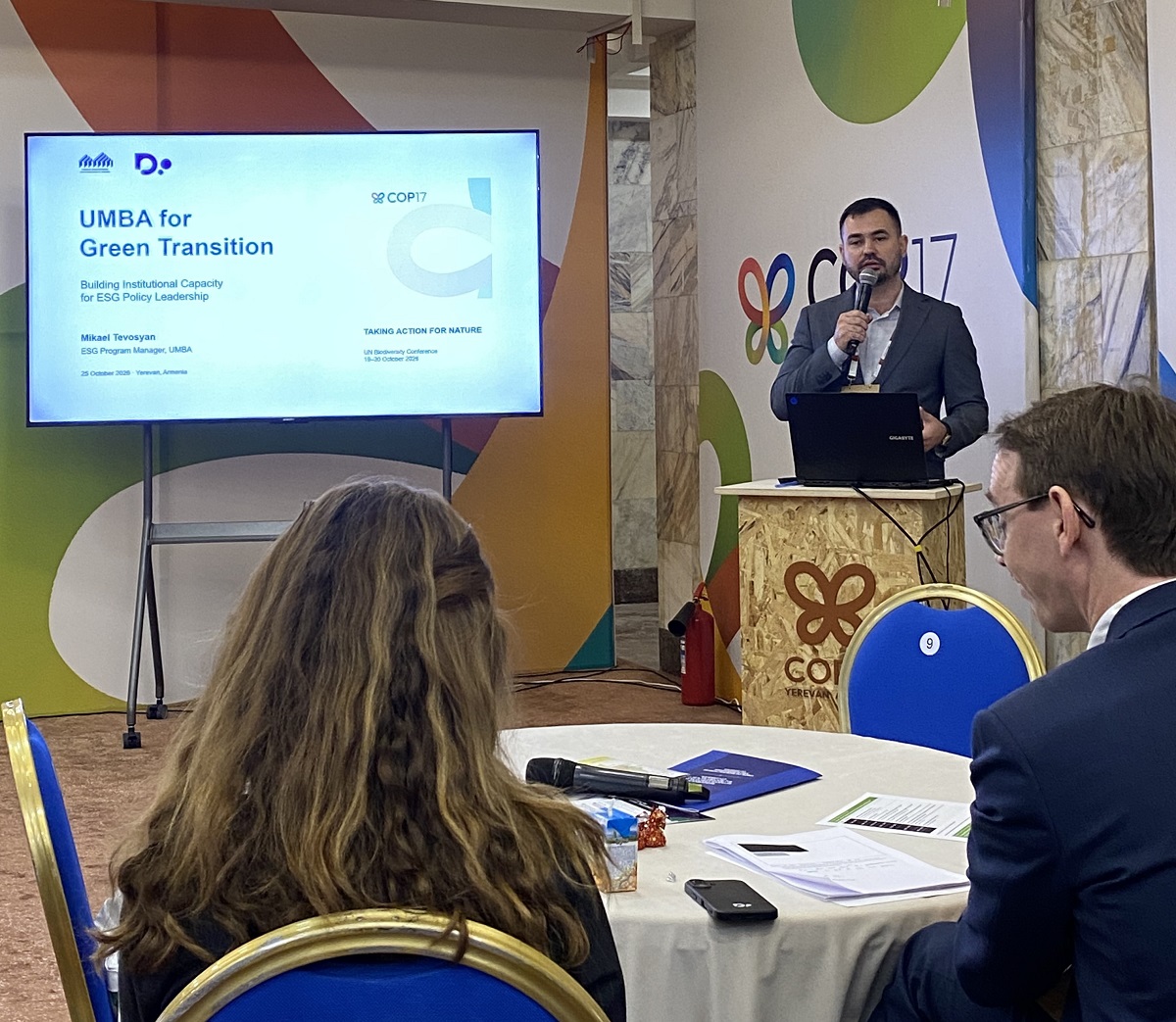
Mikayel Tevosyan, who coordinates the project, presented the work carried out under UMBA’s “UMBA for the Green Transition: Institutional Capacity Development and Leadership in Implementing ESG Policy,” which is implemented with the support of the Confederation of Danish Industry (DI) and the Danish Ministry of Foreign Affairs. He said the project aims to provide training and consultancy on environmental, social and governance (ESG) issues, to contribute to national dialogue on climate resilience, and to promote cross-sector and regional knowledge exchange. The initiative seeks to encourage the adoption of ESG principles in Armenian companies, strengthen their capacities, and support sustainable development and greater competitiveness.
Ole Krogsgaard, Senior Adviser at the Confederation of Danish Industry, spoke about the role of business in biodiversity conservation and about Denmark’s experience. Drawing on international practice, he noted that businesses generally recognize the importance of the issue, but difficulties persist in setting standards, applying them, measuring results and ensuring accountability. He, too, underlined the importance of cooperation among regional organizations, the sharing of experience and joint initiatives.
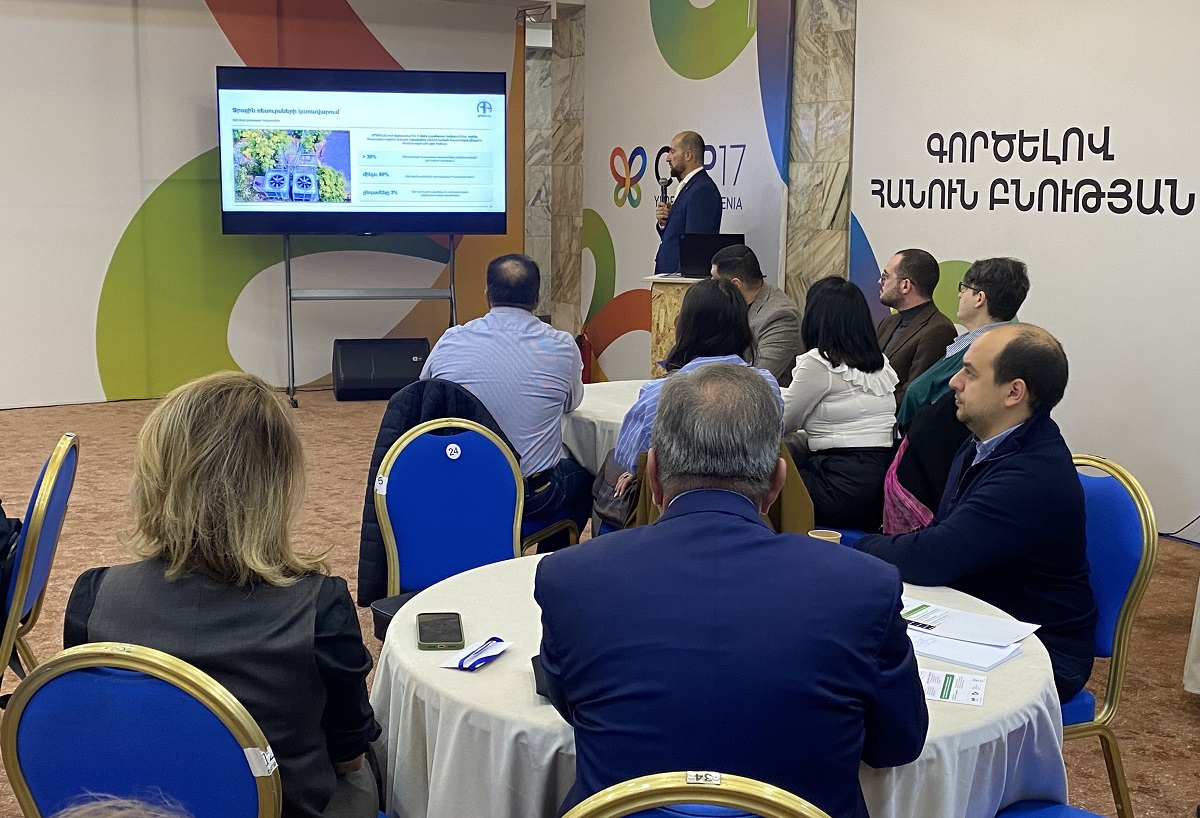
On the same day, as part of COP17, UMBA also organized a workshop titled “Armenian Business for Nature and Sustainable Development.” Delegates from Armenal, Eurotherm and EcoVille Holding, whose companies were represented at the Union’s pavilion, presented their organizations’ steps and initiatives for biodiversity conservation.
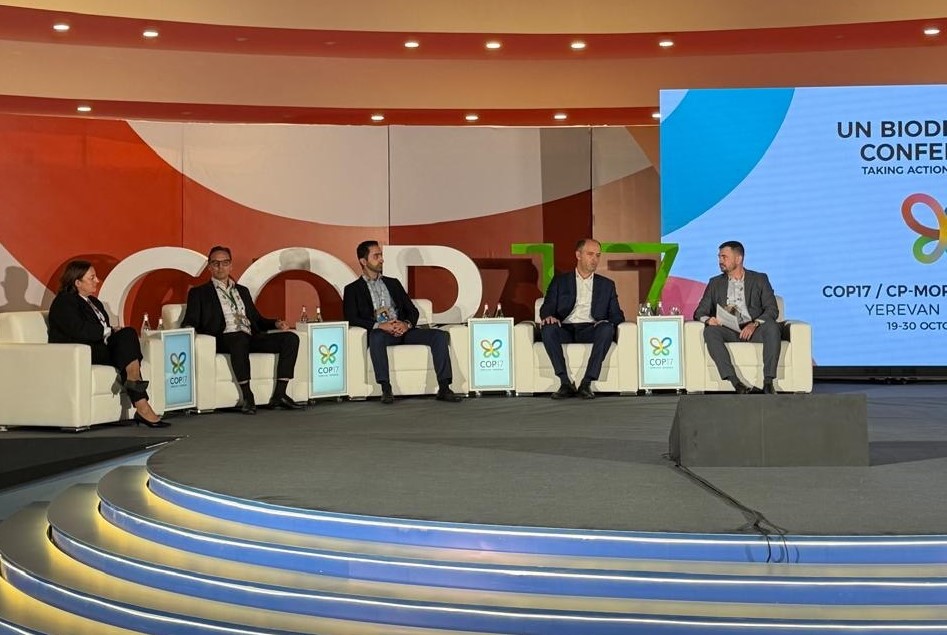
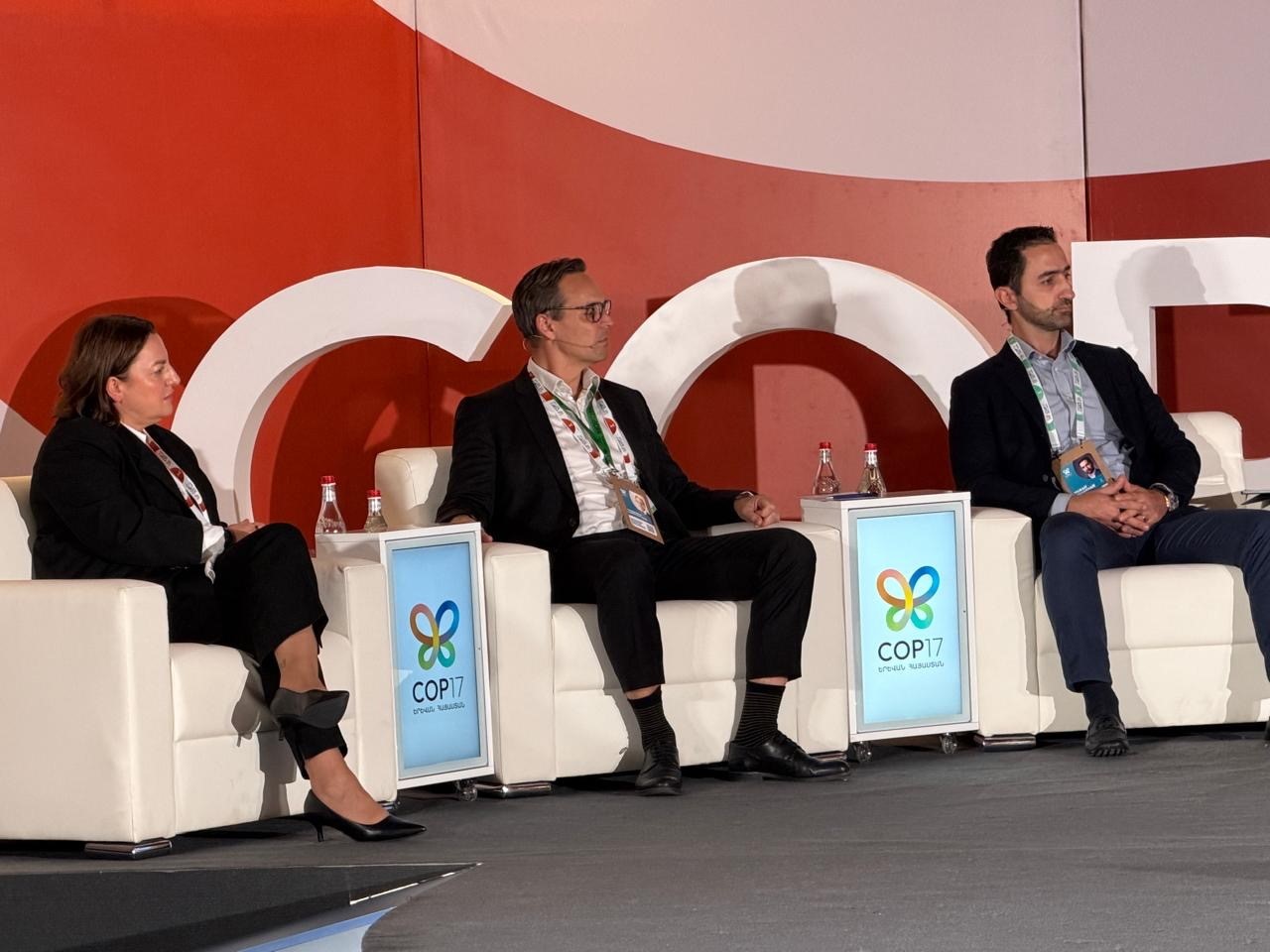
In the evening, a panel discussion took place under the title “Promoting the Green Transition: Renewable Energy, Storage and Sustainable Business.” Participants shared their experience in the field and the challenges it currently faces. The panelists were Tigran Okhanyan, founder and Chairman of the Board of EcoVille Holding; Hayk Shekyan, founder and CEO of Shtigen; Nana Berdzenishvili, Head of ESG at Caucasus Clean Energy Holding; and Thorbjørn Lunholm Dahl, Deputy Head of Sustainability at Danske Bank.
UMBA’s pavilion in the “Green Zone” of the Karen Demirchyan Sports and Concerts Complex will remain open to visitors until October 30, during COP17.